Chronic wound not healing: What you can do yourself
A wound that does not heal properly can be a major burden in everyday life. You may already have searched online, tried something from your medicine cabinet or received well-meant advice from relatives. Even so, uncertainty often remains: What can I do myself without putting additional strain on the wound?
This is exactly where it is important to understand your own role. People affected by chronic wounds can do quite a lot in everyday life. We therefore take a look at what you should pay attention to when caring for chronic wounds, which mistakes commonly occur and when healthcare professionals should take over.
Blogbeitrag anhören
How can I help promote wound healing at home?
A chronic wound heals better when the surrounding conditions are right. That’s why our wound care experts at Rodday focus not only on the open wound itself but also on the person’s daily life: How much pressure is the wound under? Do shoes or other clothing put pressure on the wound? Is the dressing change performed properly? Are there any underlying medical conditions?
Those affected can focus on these points in particular:
-
Monitor the wound regularly
-
Take any changes seriously
-
Avoid putting pressure on the affected area
-
Check shoes, socks, and insoles
-
Ensure that hands and the surrounding area are clean
-
Support your body with sufficient protein and vitamins
From their practical experience, our specialists know that wounds on the toes, heels, or legs are common. They therefore recommend regularly checking the soles and linings of your shoes. A small pebble in a shoe, a crease in the lining, or a pressure point can be enough to cause a wound or repeatedly irritate an existing one.
Here are some mistakes to avoid when treating wounds
A common mistake is that people wait too long to treat minor wounds. The area seems harmless at first, so they cover it up and try a product from the pharmacy. Our wound care experts see this happen all the time: People take care of the wound themselves but end up wasting valuable time in the process.
Typical mistakes made at home include, for example:
-
People wait too long because the wound seems small or harmless.
-
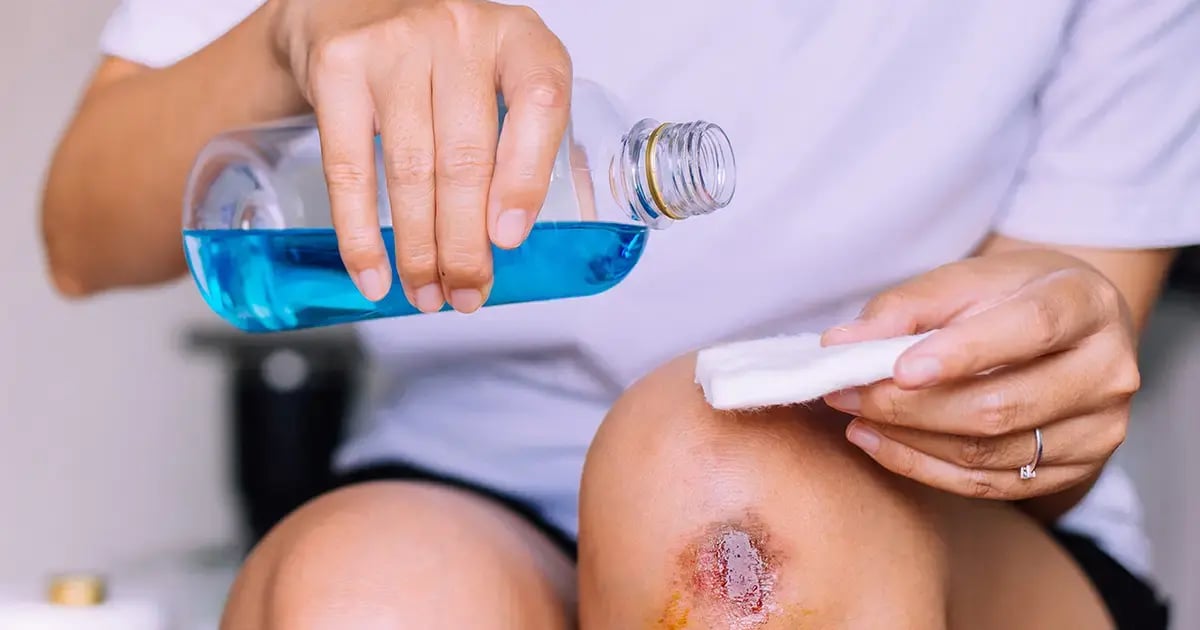
They try home remedies even though the wound isn’t getting better.
-
They change the bandage without first washing their hands thoroughly.
-
They don’t disinfect their hands.
-
They do not pay enough attention to maintaining a clean environment when changing the bandage.
-
Pets wander around nearby while the dressing is being changed.
-
Those affected overlook small pressure points or irritations that repeatedly aggravate the wound.
-
Patients continue to treat the wound themselves even though healthcare professionals have already been consulted.
Once healthcare professionals take over wound care, patients should leave the treatment of the wound to them as much as possible. This ensures consistency in care and allows the professionals to better assess whether the wound is improving.
These Factors Influence WoundHealing
A wound affects more than just the skin. The entire body plays a role in the healing process. That’s why our wound care experts also pay attention to factors that, at first glance, may not seem directly related to the wound.
Nutrition: The body needs nutrients to support healing. Our wound care experts emphasize high-quality proteins and vitamins in particular. Those affected should therefore make sure to eat regular, balanced meals. A professional assessment is especially worthwhile in cases of poor appetite, weight loss, or an unbalanced diet.
Exercise: Exercise can be important, but it must not put additional strain on the wound. Anyone with a wound on their foot, heel, or leg should therefore consult with healthcare professionals to determine what level of activity is appropriate.
Relief: Pressure can repeatedly interfere with healing. Especially for wounds on the toes, heel, or leg, it’s worth taking a close look at your daily routine: Does your shoe rub? Is there a spot that keeps causing pressure? Is there something in your shoe that’s irritating the wound? Our wound care experts pay close attention to such triggers. After all, sometimes even a small pressure point is enough to cause a wound to heal poorly or to keep reopening.
One of the most important factors: hygiene
When patients change the bandage themselves, one thing is most important: working cleanly. Follow these simple steps:
-
Wash your hands thoroughly before changing the bandage.
-
If possible, disinfect your hands.
-
Prepare a clean surface.
-
Do not leave bandage supplies lying around uncovered.
-
Keep pets away during the process.
-
Do not touch the wound unnecessarily.
-
If you’re unsure, don’t keep trying on your own—ask a healthcare professional instead.
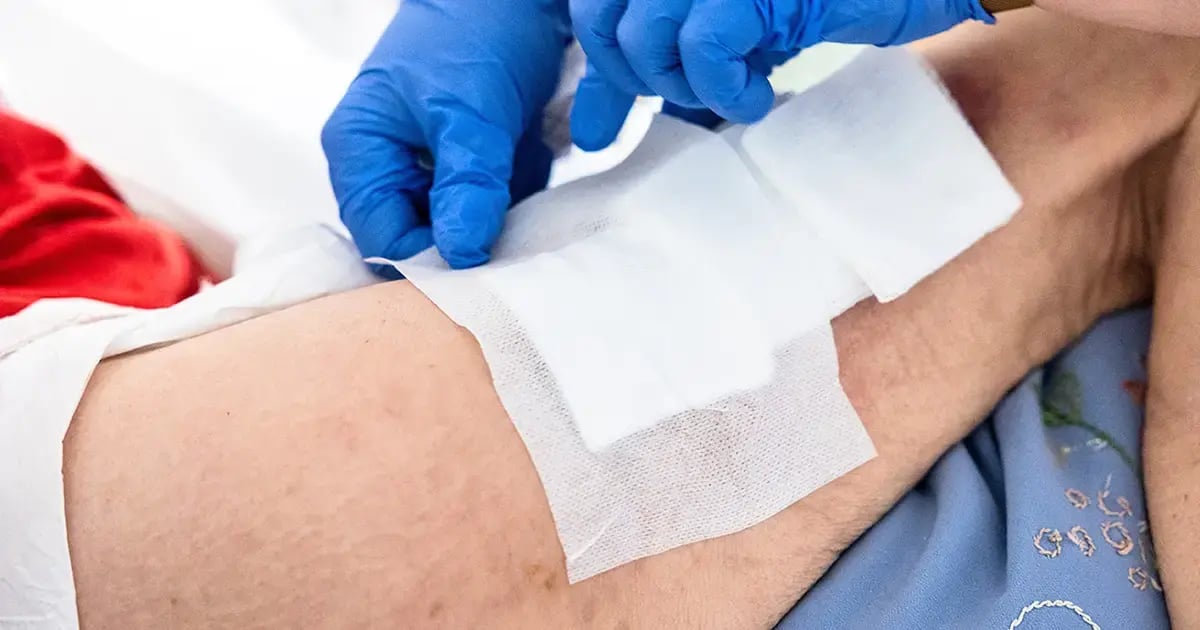
It may be possible to change a dressing at home. However, the actual treatment of the wound should remain in the hands of professionals. This is because professionals can assess which materials are appropriate, how often the dressing should be changed, and whether the wound is healing properly.
Once wound care specialists are involved, it is therefore important not to continue treating the wound yourself at the same time. This keeps the care process organized, and the specialists can better assess what will truly help the wound.
How Family Members Can Provide Meaningful Support
Family members often want to help. This is valuable, but not all help should be directed at the wound itself. It makes more sense to provide support in everyday life.
For example, family members can:
-
watch for changes,
-
remind the patient of appointments and follow-ups,
-
help keep the environment clean,
-
keep an eye on shoes, socks, or pressure sores,
-
encourage the person to eat and drink,
-
and help them contact healthcare professionals if they’re unsure.
It’s less advisable to treat the wound yourself, apply home remedies, or change the dressing without guidance. Well-intentioned help can interfere with wound healing if germs get into the wound or the treatment regimen is disrupted.
Treating a Wound Yourself: Where Are the Limits?
Those affected can support the healing process in their daily lives, but they should not treat a chronic wound on their own. A clear division of roles is crucial: Those affected should focus on hygiene, reducing pressure on the wound, nutrition, and monitoring changes. Healthcare professionals assess the wound, select the appropriate care, and monitor its progress. This creates the best foundation to ensure that the wound isn’t simply monitored but can heal effectively.
If you’re unsure whether your wound is healing normally or if professional support is needed, have the area assessed by healthcare professionals early on. Together with our partner Rodday, we support you with professional wound care at home and help you determine the right next steps.